Roulette Wheel Tracking Techniques for Experienced Players
Roulette, the classic casino game that has captivated players for centuries, is experiencing a global resurgence as players seek out table games that allow for strategic play and social interaction. For experienced roulette enthusiasts, the pursuit of gaining an edge over the house has led to the development of advanced techniques, such as roulette wheel tracking. In this comprehensive guide, we’ll delve into the world of roulette wheel tracking, exploring the strategies and methods that seasoned players can utilize to enhance their gameplay and potentially improve their chances of success.
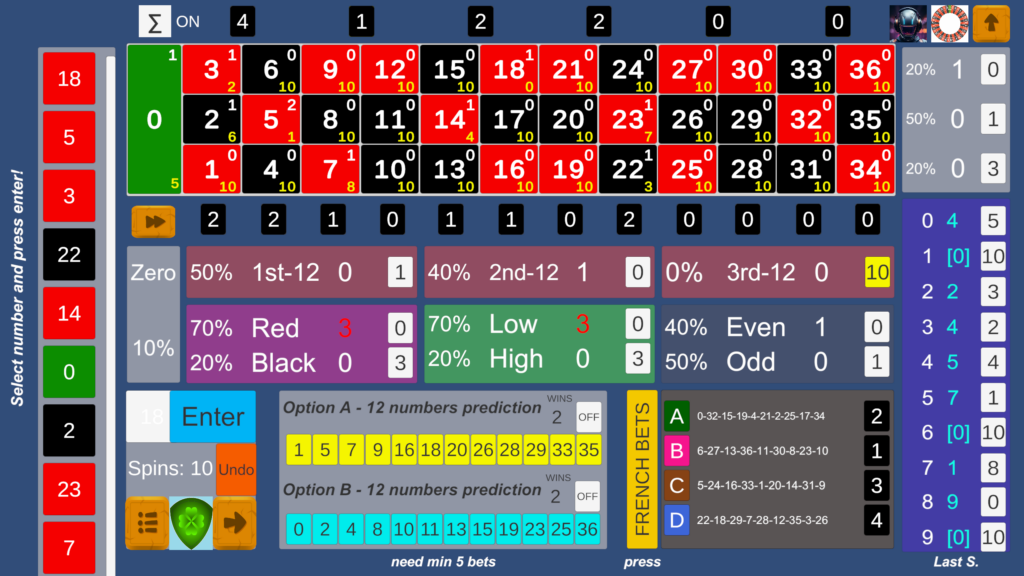
Roulette wheel tracking is a technique that involves closely observing the behavior and patterns of a roulette wheel in order to predict the outcome of future spins. This approach relies on the principle that roulette wheels, despite their seemingly random nature, can exhibit subtle biases or imperfections that can be detected and exploited by attentive players.
Understanding Wheel Dynamics
At the heart of roulette wheel tracking lies a deep understanding of the wheel’s mechanics and the factors that influence the ball’s trajectory. Experienced players study the wheel’s construction, the speed at which it spins, the condition of the wheel’s surface, and the behavior of the ball as it interacts with the wheel’s segments. By analyzing these elements, players can identify patterns and trends that may give them an edge over the house.
Developing Observational Skills
Successful roulette wheel tracking requires keen observational skills and the ability to quickly process a vast amount of information. Players must be able to accurately track the ball’s path, the wheel’s rotation, and the relationship between the two, all while maintaining focus and composure at the table. This level of attention to detail can take time and practice to develop, but for those willing to put in the effort, the potential rewards can be substantial.
Roulette Wheel Tracking Strategies
There are several strategies and techniques that experienced roulette players can employ when attempting to track the wheel. Each approach has its own strengths and limitations, and the most effective method may vary depending on the specific roulette game and casino environment.
Sector-Based Tracking
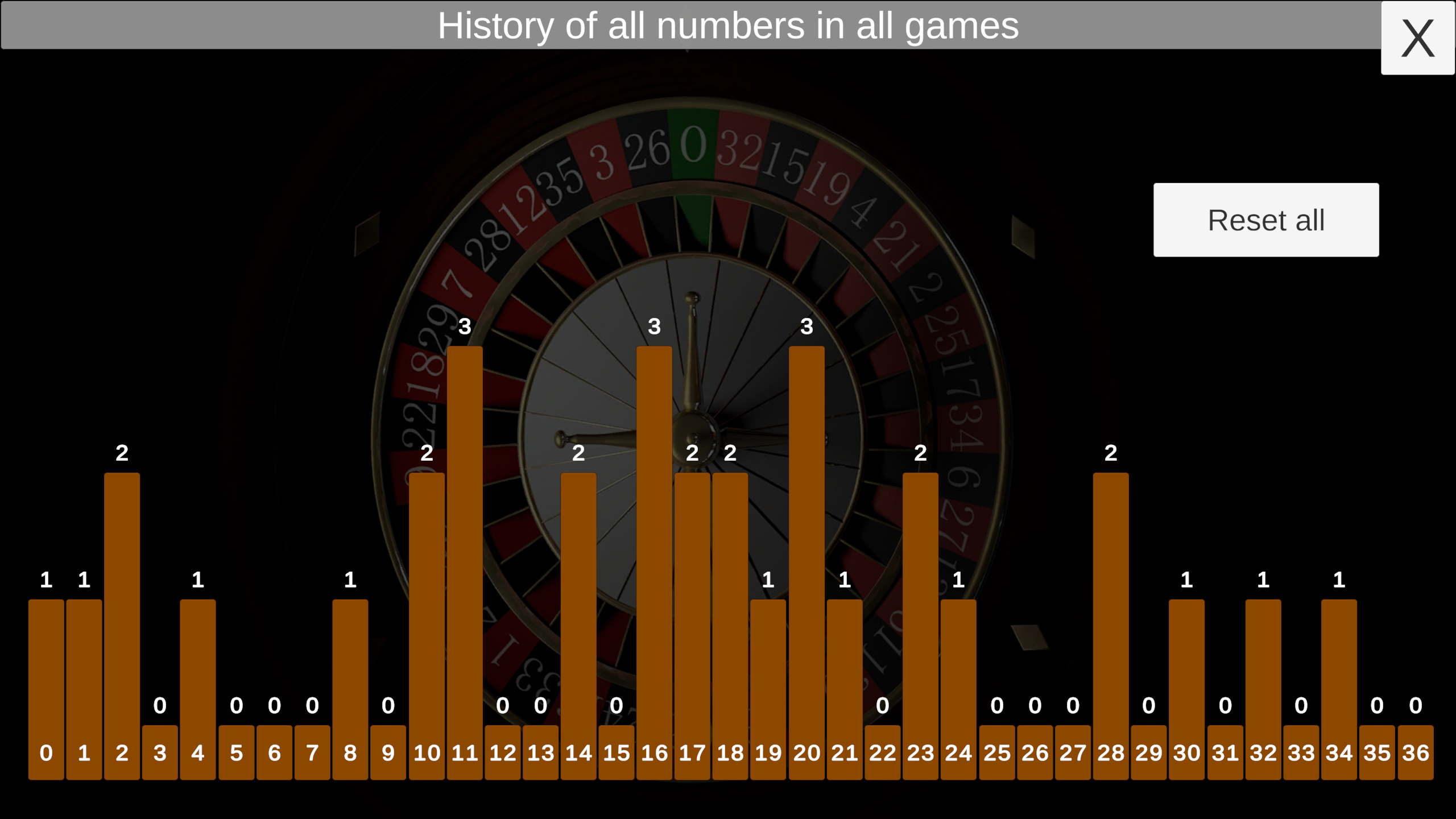
One of the most popular roulette wheel tracking strategies is sector-based tracking, also known as “sector targeting.” This technique involves dividing the roulette wheel into distinct sectors and closely observing the ball’s behavior as it lands in each sector. By identifying biases or patterns in the wheel’s behavior, players can then place bets on the sectors they believe are more likely to produce winning outcomes.
Visual Ballistics
Visual ballistics is another roulette wheel tracking technique that focuses on the ball’s trajectory and landing position. Players using this method carefully observe the ball’s speed, angle, and bounce as it travels around the wheel, aiming to predict where it will ultimately come to rest. This approach requires a high level of concentration and a keen eye for detail, but can be effective in identifying wheel irregularities and biases.
Combination Tracking
For the most experienced roulette players, a combination of wheel tracking techniques may be employed to gain a more comprehensive understanding of the wheel’s behavior. By integrating sector-based tracking, visual ballistics, and other observational methods, players can create a multi-faceted approach that allows them to identify and exploit a wider range of wheel patterns and biases.
Practical Considerations for Roulette Wheel Tracking
While roulette wheel tracking can be a powerful tool for experienced players, it’s important to consider the practical challenges and limitations associated with this technique.
Wheel and Casino Variations
Roulette wheels can vary significantly in their design, construction, and behavior, even within the same casino. Players must be prepared to adapt their wheel tracking strategies to account for these differences, as what may work on one wheel may not be effective on another. Additionally, some casinos may implement countermeasures to discourage or detect wheel tracking, requiring players to be vigilant and adaptable.
Bankroll Management and Risk
Roulette wheel tracking, like any advanced gambling strategy, carries an element of risk. Players must carefully manage their bankroll and be prepared to withstand short-term fluctuations in their results. Responsible gambling practices, such as setting loss limits and taking breaks, are essential when employing wheel tracking techniques.
In conclusion, roulette wheel tracking is a complex and challenging technique that experienced players can utilize to gain an edge over the casino. By developing a deep understanding of wheel mechanics, honing their observational skills, and employing a combination of strategies, players can potentially increase their chances of success at the roulette table. However, it’s crucial to approach wheel tracking with caution, maintain responsible gambling practices, and be prepared to adapt to the unique characteristics of each roulette wheel and casino environment.
