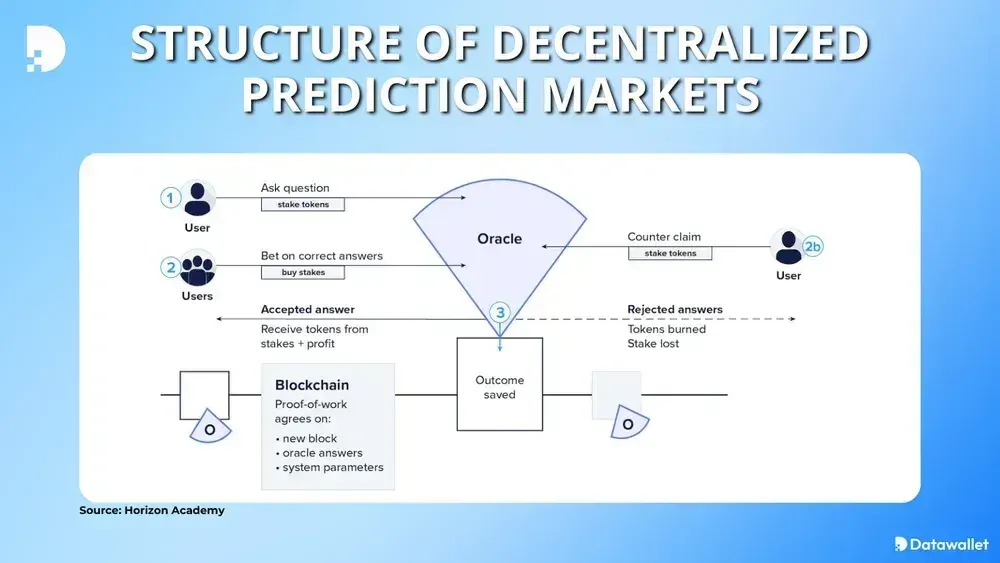
Prediction Markets Disrupt Traditional Betting Frameworks
The Rise of Decentralized Betting Intelligence
The gambling landscape is experiencing a seismic shift as prediction markets emerge from the shadows of traditional sportsbooks. Unlike conventional betting platforms where odds are set by bookmakers, prediction markets operate on crowdsourced intelligence, creating a fascinating parallel universe where bettors become market makers. This fundamental difference is reshaping how we understand probability, risk assessment, and regulatory oversight in the gambling industry.
According to recent data from the Global Gaming Analytics Institute, prediction market volume has surged 340% since 2024, reaching $8.7 billion in total wagered amounts across major platforms. What makes this growth particularly intriguing is its intersection with traditional table games and live dealer experiences. Players accustomed to the strategic depth of baccarat or the calculated risks of poker are finding prediction markets offer similar intellectual challenges, but with real-world events as the underlying mechanics.
The regulatory implications are staggering. Traditional sports betting operates under established frameworks where licensed operators control the house edge and manage risk exposure. Prediction markets, however, distribute risk across participant pools, creating what Dr. Sarah Chen, Director of Regulatory Affairs at the International Gaming Commission, calls “a regulatory gray area that challenges our fundamental understanding of gambling oversight.”
Blockchain Technology Meets Regulatory Resistance
The technological backbone of most prediction markets relies on blockchain infrastructure, creating immutable records of transactions and automated settlement through smart contracts. This decentralized approach directly conflicts with traditional regulatory models that require centralized control points for oversight, taxation, and consumer protection. In jurisdictions like the United Kingdom, where gambling operators must hold specific licenses and maintain detailed transaction records, prediction markets operating on decentralized protocols present unprecedented challenges.
Major platforms have reported processing over 2.3 million prediction contracts monthly, with average contract values ranging from $50 to $2,500. The absence of traditional intermediaries means regulatory bodies struggle to implement standard consumer protection measures. Unlike established platforms such as 20Bet, which operates under strict licensing requirements and offers regulated table games with transparent house edges, prediction markets often exist in legal limbo.
The European Securities and Markets Authority released a comprehensive report in early 2026 highlighting the “fundamental incompatibility between existing gambling regulations and decentralized prediction market operations.” The report specifically noted that traditional oversight mechanisms, designed for centralized operators, cannot effectively monitor or control decentralized market activities.
Market Efficiency Versus Consumer Protection
Prediction markets demonstrate remarkable efficiency in price discovery, often outperforming traditional sportsbooks in accurately reflecting event probabilities. Research conducted by the Predictive Analytics Research Center shows that prediction market odds typically converge to actual outcomes with 87% accuracy, compared to 79% accuracy for traditional bookmaker odds. This superior performance stems from the wisdom of crowds principle, where collective intelligence produces more accurate predictions than individual expert opinions.
However, this efficiency comes at a potential cost to consumer protection. Traditional sportsbooks implement responsible gambling measures including deposit limits, self-exclusion options, and problem gambling identification systems. Prediction markets, operating on decentralized protocols, often lack these safeguards. The anonymity inherent in blockchain transactions makes it nearly impossible to track individual betting patterns or implement intervention strategies for problem gamblers.
“We’re witnessing a fundamental tension between market efficiency and player protection,” explains Marcus Rodriguez, Senior Policy Analyst at the Global Gambling Regulatory Forum. “Traditional table games like baccarat have evolved sophisticated responsible gambling frameworks over decades. Prediction markets are essentially starting from scratch, but with technology that makes traditional oversight mechanisms obsolete.”
Cross-Border Enforcement Challenges
The borderless nature of blockchain-based prediction markets creates unprecedented enforcement challenges for national regulators. Unlike traditional online casinos that can be blocked at the internet service provider level, decentralized prediction markets operate across multiple nodes, making them virtually impossible to shut down through conventional means. This has led to a patchwork of regulatory responses across different jurisdictions.
Australia’s recent legislative amendments specifically target prediction market operators, requiring them to obtain traditional gambling licenses or face prosecution. However, enforcement remains problematic when market operators exist as decentralized autonomous organizations (DAOs) without clear legal entities or physical headquarters. The Australian Communications and Media Authority reported spending $3.2 million in 2025 on enforcement actions that resulted in minimal actual compliance improvements.
In contrast, Switzerland has adopted a more permissive approach, creating a regulatory sandbox for prediction market experimentation. This has attracted significant investment, with over $450 million in venture capital flowing into Swiss-based prediction market startups since 2025. The Swiss model focuses on consumer education and voluntary compliance rather than strict enforcement, recognizing the practical limitations of traditional regulatory approaches.
Impact on Traditional Sportsbook Operations
Traditional sportsbooks are responding to prediction market competition by incorporating similar crowdsourcing elements into their platforms. Several major operators have launched hybrid products that combine traditional bookmaking with prediction market features, allowing customers to both bet against the house and trade positions with other players. This evolution mirrors developments in live dealer table games, where technological innovation has enhanced rather than replaced traditional gaming experiences.
The financial impact on traditional operators is becoming increasingly apparent. Industry data shows that prediction markets have captured approximately 12% of the sports betting market in jurisdictions where they operate freely, with particularly strong adoption among younger demographics. Players aged 18-34 show a 67% preference for prediction market formats over traditional fixed-odds betting, citing greater transparency and the ability to trade positions before event resolution as key advantages.
This demographic shift is forcing traditional operators to reconsider their product offerings and regulatory strategies. Some are lobbying for stricter prediction market regulations to protect their market share, while others are investing in blockchain technology to develop competing products. The result is a rapidly evolving landscape where the distinction between traditional betting and prediction markets becomes increasingly blurred.
Taxation and Revenue Collection Dilemmas
Government revenue collection presents another significant challenge in the prediction market ecosystem. Traditional gambling taxation relies on clear reporting from licensed operators, with gross gaming revenue calculations based on standardized accounting practices. Prediction markets, operating on decentralized protocols, often lack centralized entities capable of calculating or remitting taxes in traditional formats.
The UK’s Her Majesty’s Revenue and Customs has struggled to develop effective taxation frameworks for prediction market winnings. Unlike traditional gambling winnings, which are typically tax-free for consumers but subject to operator taxes, prediction market profits exist in a regulatory gray area. The absence of traditional operators means standard point-of-taxation models become ineffective, forcing regulators to consider novel approaches such as blockchain transaction taxes or participant self-reporting requirements.
France has pioneered an innovative approach by requiring prediction market platforms to implement automated tax collection through smart contracts. This system deducts applicable taxes at the point of settlement, ensuring revenue collection without relying on operator compliance or participant reporting. Early results show promising compliance rates, with automated collection capturing 94% of estimated tax obligations compared to 67% under traditional self-reporting systems.
Consumer Education and Market Literacy
The complexity of prediction markets requires significantly higher financial literacy than traditional gambling products. While a novice can quickly understand the mechanics of placing a bet on a football match, prediction markets involve concepts like market making, liquidity provision, and dynamic pricing that require substantial education. This complexity gap has created both opportunities and risks for consumer protection.
Educational initiatives have become crucial for responsible prediction market adoption. The Prediction Market Education Alliance, formed in 2025, has developed comprehensive training programs covering market mechanics, risk management, and technological literacy. Their research indicates that participants who complete structured education programs show 43% lower rates of problematic gambling behaviors compared to those who enter markets without preparation.
However, the sophistication required for effective prediction market participation may inadvertently exclude certain demographics, potentially creating a form of gambling gentrification. Traditional table games remain accessible to players regardless of technical knowledge, but prediction markets favor participants with strong analytical skills and technological comfort. This dynamic raises questions about gambling equity and inclusive access to entertainment options.
Future Regulatory Framework Evolution
The regulatory response to prediction markets is evolving rapidly, with several jurisdictions developing innovative frameworks specifically designed for decentralized gambling products. The Isle of Man has proposed a “regulatory technology” approach that uses automated monitoring systems to oversee prediction market activities without requiring traditional licensing structures. This system would track market behavior patterns, identify potential manipulation, and implement consumer protection measures through algorithmic enforcement rather than human oversight.
Looking ahead, the integration of artificial intelligence and machine learning technologies promises to revolutionize both prediction market operations and regulatory oversight. Advanced algorithms can now detect market manipulation patterns, identify problem gambling behaviors, and implement dynamic consumer protection measures in real-time. These technological solutions may ultimately provide more effective oversight than traditional regulatory approaches, but they also raise new questions about algorithmic bias and automated decision-making in gambling contexts.
The prediction market revolution represents more than just a new form of gambling – it’s a fundamental challenge to the regulatory frameworks that have governed the industry for decades. As these markets continue to grow and evolve, regulators, operators, and consumers must adapt to a new paradigm where traditional boundaries between gambling, financial markets, and technological innovation become increasingly blurred. The ultimate success of this transition will depend on finding the right balance between innovation, consumer protection, and regulatory effectiveness in an increasingly complex digital landscape.